

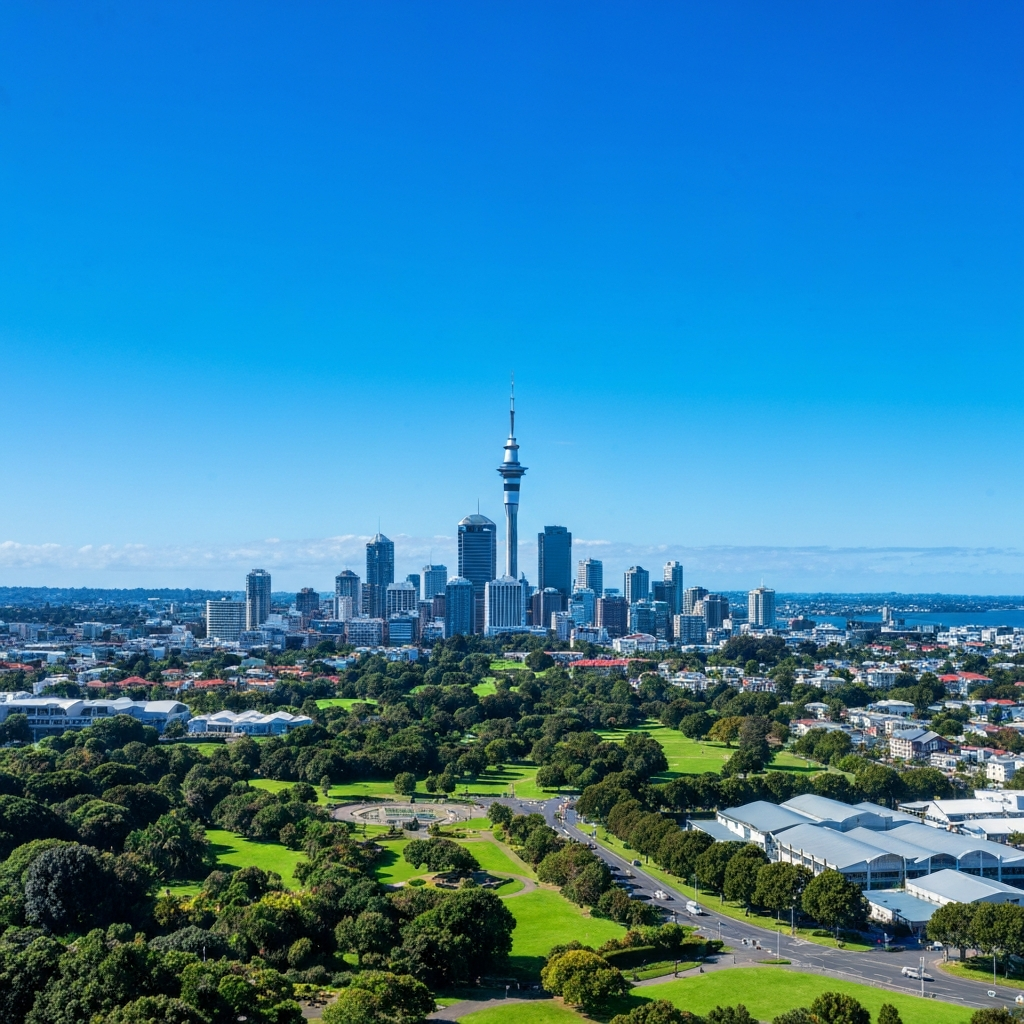
Auckland, nestled between the Tasman Sea and the Pacific Ocean, boasts a subtropical climate characterized by mild temperatures and moderate seasonal variations. This unique positioning influences our weather patterns, offering residents and visitors a pleasant environment year-round.
Seasonal Overview
Summer (December to February)
Summers in Auckland are warm and humid, with average daytime highs around 24-25°C (75-77°F) and nighttime temperatures rarely dropping below 15°C (59°F). Humidity levels are moderate but can feel more pronounced due to the coastal environment. February often has the warmest sea temperatures, around 22°C (72°F), making it ideal for beachgoers, swimming, and water sports across Auckland’s coastline. Sunshine is abundant, but afternoon showers are not uncommon, which refreshes the landscape while keeping it lush and green.
Autumn (March to May)
Autumn in Auckland brings a gradual cooling, with highs ranging from 18-22°C (64-72°F). The season is generally mild, with intermittent showers in March and April, though rainfall increases as May approaches.
Winter (June to August)
Winters are relatively mild, with temperatures ranging from 13.8°C (56.8°F) to 14.9°C (58.8°F) for highs and 10.4°C (50.7°F) to 13.1°C (55.6°F) for lows. Rainfall peaks at 70mm (2.76″) in June, and the number of rainfall days reaches 18 to 19 days, showing winter to be the wettest season in Auckland.
Spring (September to November)
Spring sees a gradual warming, with temperatures climbing back to summer averages. This season is marked by increased sunshine and occasional showers, fostering the growth of Auckland’s lush flora.
Environmental Considerations
While Auckland’s climate is generally favorable, it’s essential to be aware of environmental challenges. Air quality is influenced by factors such as vehicle emissions and domestic fires, especially during winter months. Monitoring and managing these emissions are crucial to maintaining the city’s air quality. Additionally, Auckland’s marine environments are under pressure from land-based activities. Stormwater, wastewater, litter, sediment, and heavy metals eventually end up in the harbors, impacting their ecology. This compromises the things we value about the marine environment, like clean beaches, safe water for swimming, and abundant kaimoana.
Understanding Auckland’s climate and its environmental challenges empowers us to make informed decisions, ensuring the city remains a vibrant and healthy place for all.